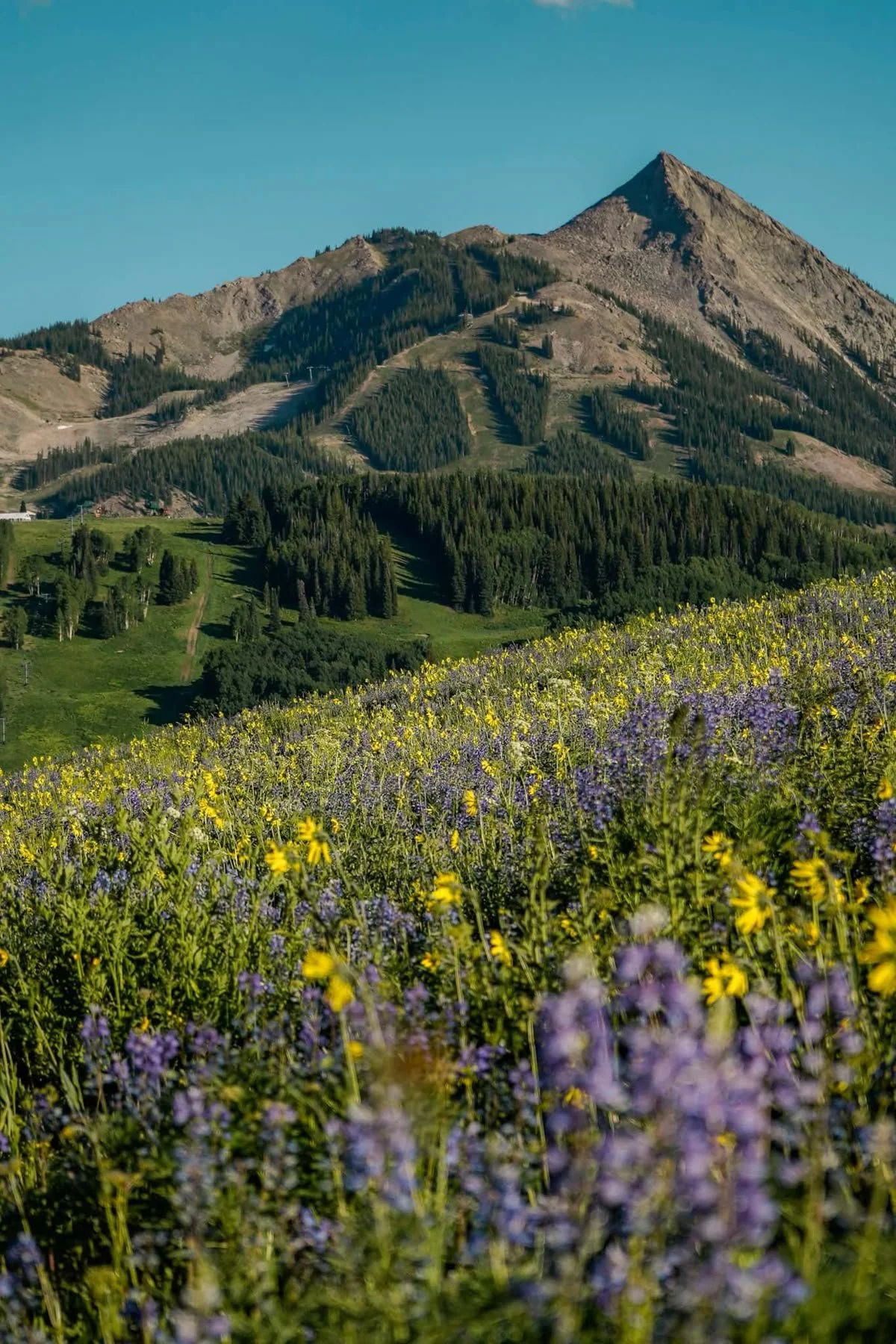
Altitude Sickness 101
It's important to understand how altitude can affect your body. Fortunately, you can take several proactive steps to prevent altitude sickness and help your body adjust more easily. Don’t worry, we travel to high altitudes all the time and have no problems at all!
What is Altitude Sickness?
Altitude sickness occurs when your body has difficulty adjusting to the lower oxygen levels at higher elevations. Crested Butte sits at 8,885 feet above sea level. At these heights, your body needs time to adapt.
Common Symptoms of Altitude Sickness:
Headache
Nausea or vomiting
Dizziness
Fatigue
Shortness of breath
Loss of appetite
Difficulty sleeping
-
High altitude increases heart rate and blood pressure to compensate for lower oxygen levels, which can trigger symptoms especially for those with heart conditions.
The effects of some drugs can be greatly increased at higher altitudes.
If you are worried about altitude sickness or have experienced it before, you can talk to your doctor about a prescription for acetazolamide (Diamox) and other potential treatments.
-
Stay below 7,000 feet on your first day to allow time for acclimation. This will help you adjust Crested Butte (8,885 feet) more smoothly.
-
Start hydrating several days before your trip. Your body adjusts better when fully hydrated. Aim to drink at least 3 liters of water daily in the days leading up to your arrival in Colorado.
For optimal hydration, consider adding electrolytes. We recommend NUUN electrolytes. They supports hydration and helps replace minerals lost through increased respiration at altitude.
-
Stay hydrated! At higher altitudes, the air is drier, which will dehydrate you more quickly. A good rule of thumb: the higher up you go, the more water you should drink. In fact, drinking twice your normal water intake is suggested at higher altitudes. To replenish electrolytes, you can eat foods containing high amounts of potassium– think avocados, bananas and broccoli –or drink an electrolyte-infused beverage.
-
Alcohol binds oxygen and water and robs your body of these two important nutrients. Alcohol affects your body differently at altitude. It can intensify dehydration and make altitude symptoms worse.
We recommend limiting alcohol intake for at least the first 24 hours after arrival. If you do indulge, drink slowly and continue hydrating with water.
It's also recommended to avoid coffee, tea and other caffeinated beverages at least one day prior to traveling to higher altitudes.
-
One of the benefits of being at a higher altitude is that your body naturally burns more calories because it works harder to get enough oxygen.
Increase your calorie intake to keep your body healthy and energized.
Avoid excess salt and favor carbohydrate-rich, nutrient-dense foods (like bananas, potatoes and whole grains) to help maintain energy and hydration levels.
-
There are prescription medications that can help your body adjust to high altitude. These medications can help increase hemoglobin production, improving your body’s oxygen-carrying capacity before you arrive.
-
Children and infants are also vulnerable to altitude sickness. They may show symptoms such as:
Irritability
Poor feeding
Trouble sleeping
Unusual tiredness
To help kids adjust:
Hydrate them well before and during the trip
Plan plenty of rest time during your first few days
Avoid overexertion
Watch closely for signs of discomfort or illness
Consult with your pediatrician before travel, especially if your child has any underlying health conditions.
-
Keep these tips in mind when traveling with pets, as they may need time to acclimate to the high elevation as well.
Keep your pet well hydrated and offer water often, especially during activity.
Allow time to acclimate and avoid strenuous exercise on your first day at higher elevations.
Watch for signs of altitude sickness, such as heavy breathing, extreme fatigue, vomiting or confusion, and descend if symptoms appear.
-
Gunnison Valley Health (GVH) is the largest health care provider in the Gunnison Valley.
GVH Mountain Clinic in Mt. Crested Butte
Urgent care center, walk-ins
Address: 12 Snowmass Road Axtel 100, Mt. Crested Butte, CO 81225
P: 970-349-0321GVH Emergency Room
711 North Taylor St, Gunnison, CO 81230
P: 970-641-1456GVH Urgent Care
707 N Iowa St, Gunnison, CO 81230
P: 970-648-7105